
schools & education
Stronger Schools Invest in the Resilience of Staff
At RSO Partners, we work with school leaders to strengthen the foundations of school culture - safety, support and staff wellbeing.
Our mission is simple: to help your school not only comply with psychosocial hazard legislation but to thrive as a resilient, connected community.
Whether you’re a principal, deputy principal, teacher, or education assistant, we understand the daily pressure that you’re under - and we’re here to help.
01
Schools are demanding places to work.
The work matters enormously. But the pressure is not just about workload.
School staff are constantly managing the human side of the job - behaviour, dysregulation, disability, conflict, distress, difficult conversations, traumatic events and complex decisions.
Some of that pressure is simply part of meaningful work.
We call these challenge demands - the hard parts of the job that can stretch us, grow us and give the work purpose.
The problem is when these are piled on top of hindrance demands - the unnecessary friction that makes difficult work even harder. Things like:
unclear roles | poorly managed change | duplicated processes | poor communication | inconsistent behaviour systems | administrative overload | competing priorities | lack of practical support | incivility
These demands drain energy without adding value.
Reduce hindrance. Strengthen support.
Build capacity.
Over time, the impact can show up as stress, burnout, emotional exhaustion, reduced confidence and people questioning whether they can keep doing the work.
So the question is not simply:
“How do we make people more well?”
It is also,
“How do we make the work more sustainable?”
At RSO Partners, we help schools identify what is genuinely challenging, what is unnecessarily draining, and what can be redesigned.
Reduce hindrance. Strengthen support. Build capacity.
Reduce Hindrance. Strengthen Support.
Build capacity.
02
The Science of Teacher Resilience
Personal and Systemic Approaches to Preventing Burnout, STS and Managing the Emotional Labour of Teaching
"Stuart McKenzie’s The Science of Teacher Resilience examines the modern educational landscape, framing it as a high-adversity field where chronic stress and emotional labour frequently lead to burnout."
The Science of Teacher Resilience rewrites the story of teacher wellbeing, the invisible stresses of schools, and the future of sustainable schooling.
"It is definitely a book for its time"
Peter Hamilton
Director - Hamilton and Associates
"This is an important piece of work"
Lisa Rodgers
CEO, Australian Council of Education Research Former Director General, Department of Education WA
03
Our Positive and Practical Approach
We help schools move from awareness to action. Our flagship process is designed to deliver a legislatively compliant Psychosocial Hazard Risk Management Plan and risk register.
We embed this process within a culture of resilience and psychological safety in your school to ensure lasting impact.
What sets us apart
We bring warmth to serious topics. Our workshops are engaging, respectful and designed to overcome resistance.
Staff leave feeling empowered - not overwhelmed.
Case Study

I have worked closely with a large metropolitan special school over the past 2 years. Their health and wellbeing strategy is based on 3 pillars.
1. Governance
2. Association (Social Club)
3. Data-Driven Wellbeing Committee
04
How we work with schools
Our step-by-step engagement process:
1. Initial Planning
Collaborative meeting with leadership to define the scope, priorities and map out timelines.
2. Workshops
Begin with Resilience First Aid Starter Training (RFAST) - building shared language and collecting initial data.
3. Listening to staff
Hold individual staff interviews or focus groups to understand lived experiences.
4. Data review
Analyse existing school data - including sick leave, PIIRs and incident reports.
5. Hazard identification
Identify and prioritise psychosocial hazards, then assess the risks.
6. Mapping controls
Examine existing supports and co-design improvements across three areas: Work design, School culture and Personal resilience.
7. Final plan
Receive a clear, compliant and context-specific plan and risk register with guidance on implementation.
8. Ongoing support
We’re here for the long haul - providing coaching, training and expert consultation.
Does your culture protect staff?
Can every staff member can name their personal resilience strengths
Do leaders speak and model the language of psychological safety
Do staff meetings regularly feature strengths-spotting and shared strategies
Is compliance not only met - but community is strengthened
05
Core programs for schools


RFAST
A 2.5-hour introduction to psychosocial hazards, psychological safety and connected resilience. A practical starting point for teams.
AT A GLANCE
2.5 hours | On-site or virtual | No prerequisites
LEADING EXECUTIVE ASSISTANCE PROGRAM
LEAP
A strategic workshop and coaching pathway for leaders responsible for psychosocial risk, culture and staff safety.
AT A GLANCE
3 hours or ongoing coaching | Online or in person

RFA
A two-day accredited certification that builds practical skills for proactive mental health support and personal resilience.
AT A GLANCE
2 days | Accredited certification | On-site or virtual

HART
Advanced resilience training for leaders and professionals working in demanding, high adversity environments
AT A GLANCE
2 days | Accredited certification | In person or hybrid
Resilience Data Scan
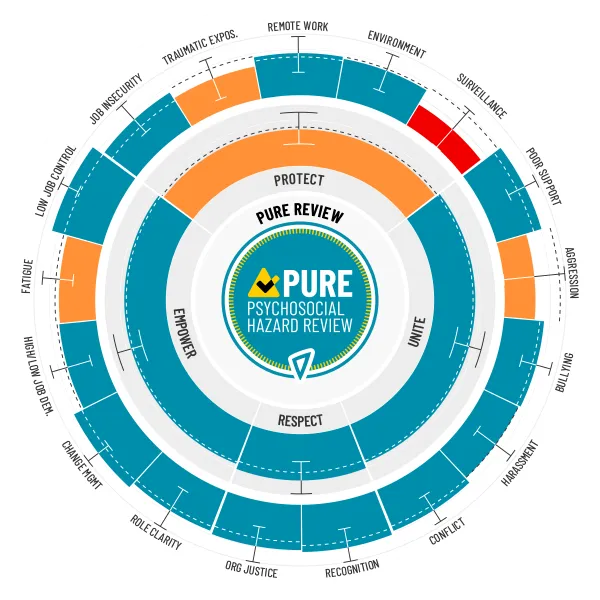
A short, sharp pulse-check on resilience, risk, and culture
PARTNERSHIP PLAN

Our premium support package for compliance and cultural change
06
Why it matters
Because the cost of ignoring psychosocial hazards is too high - for people and for organisations. When staff are burnt out, disconnected, or operating under chronic stress, it doesn’t just affect morale - it impacts safety, performance, culture and retention. It’s also a legal responsibility. RSO believes compliance should be the floor - not the ceiling.
What really matters is building organisations where:
Staff feel seen, safe and supported
Leaders can spot early warning signs before a crisis hits
Workplaces don’t just avoid harm - they promote growth
Teams bounce back from setbacks - and forward into innovation
This matters because:
People stay longer when they feel valued
Innovation thrives in psychologically safe teams
Turnover, absenteeism and compensation claims drop
Culture improves - so does your bottom line
Additional resources

The Engineered Classroom: Regulated by Design™ 7-part Course for educators and schools
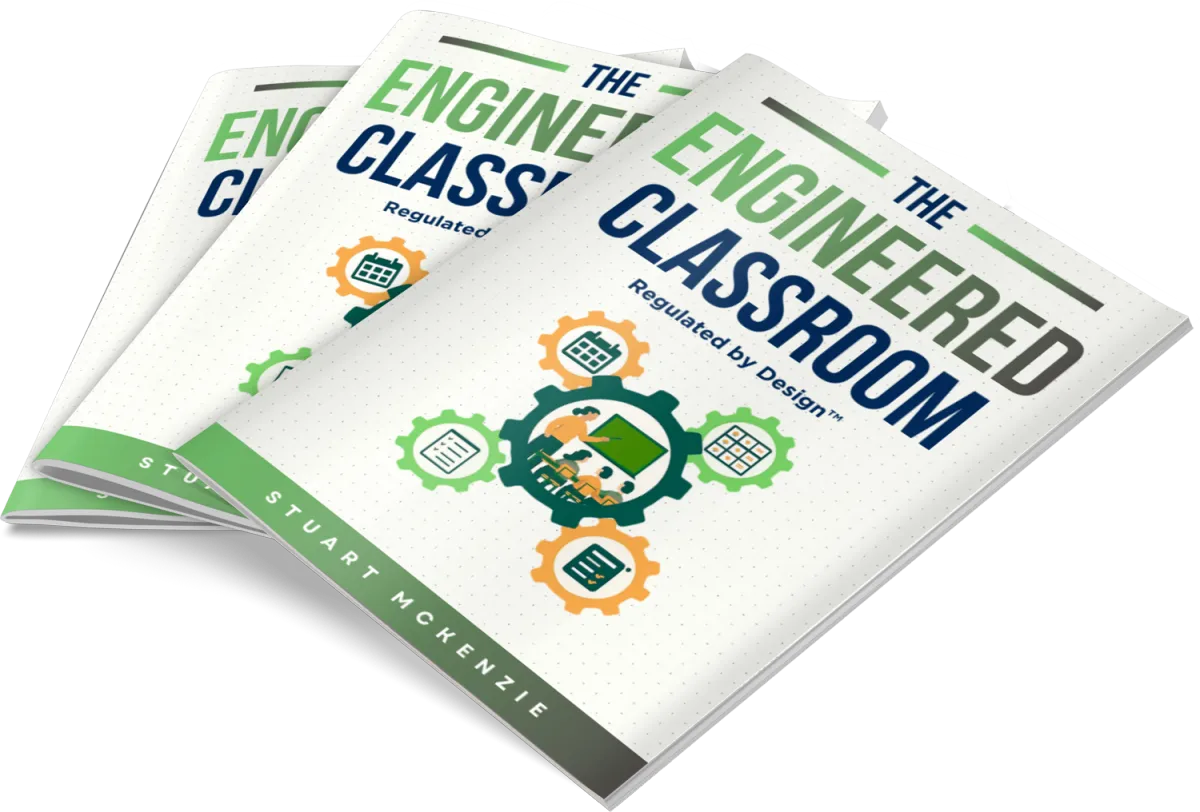
Download your free digital guide
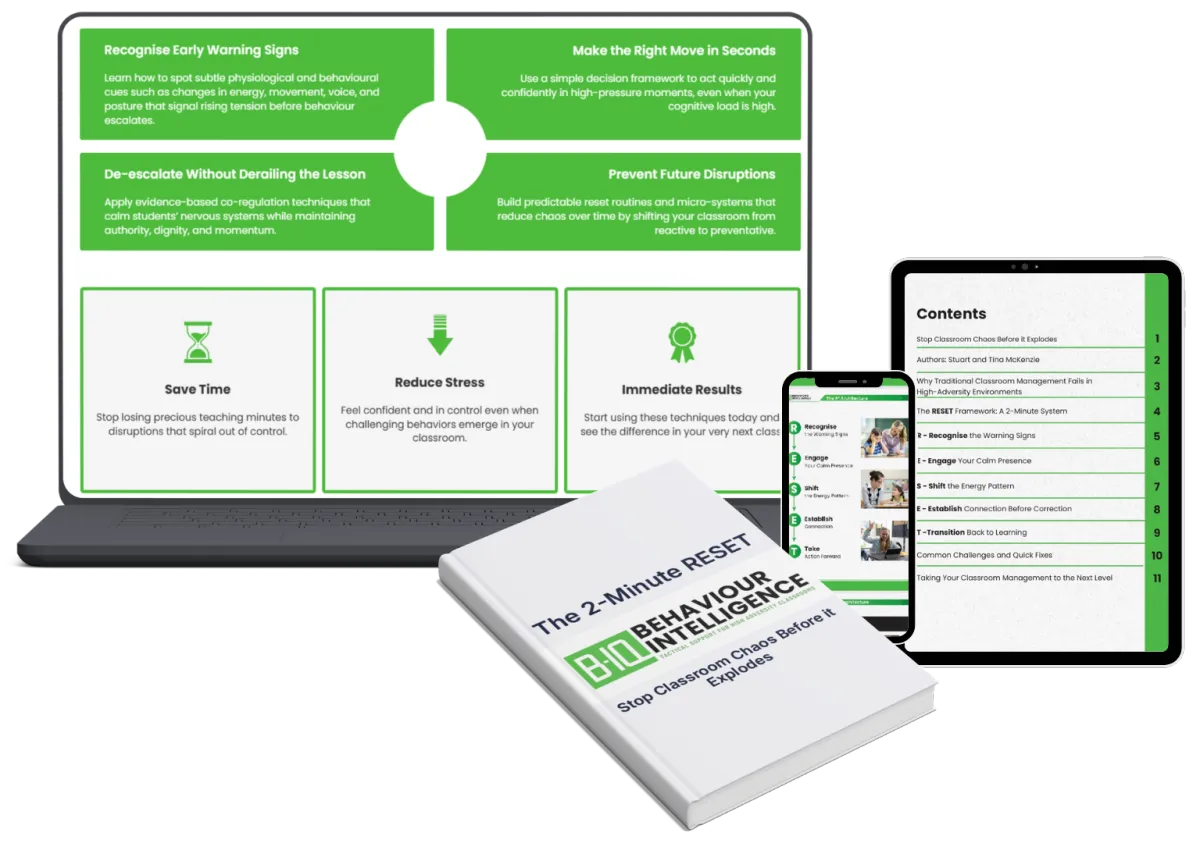
Download the 2-minute RESET Framework
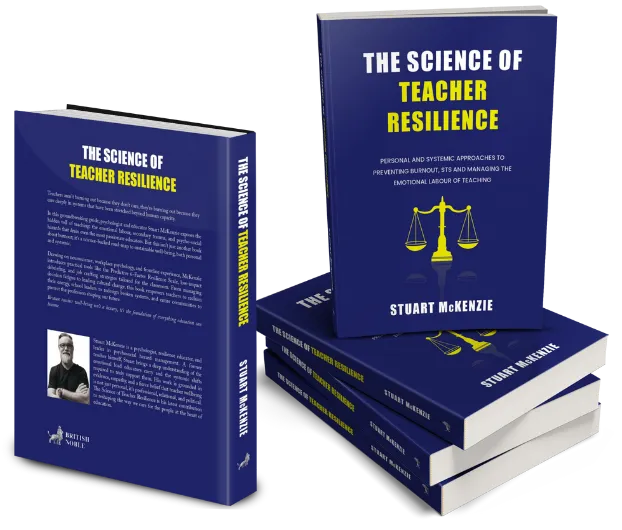
Read The Science of Teacher Resilience
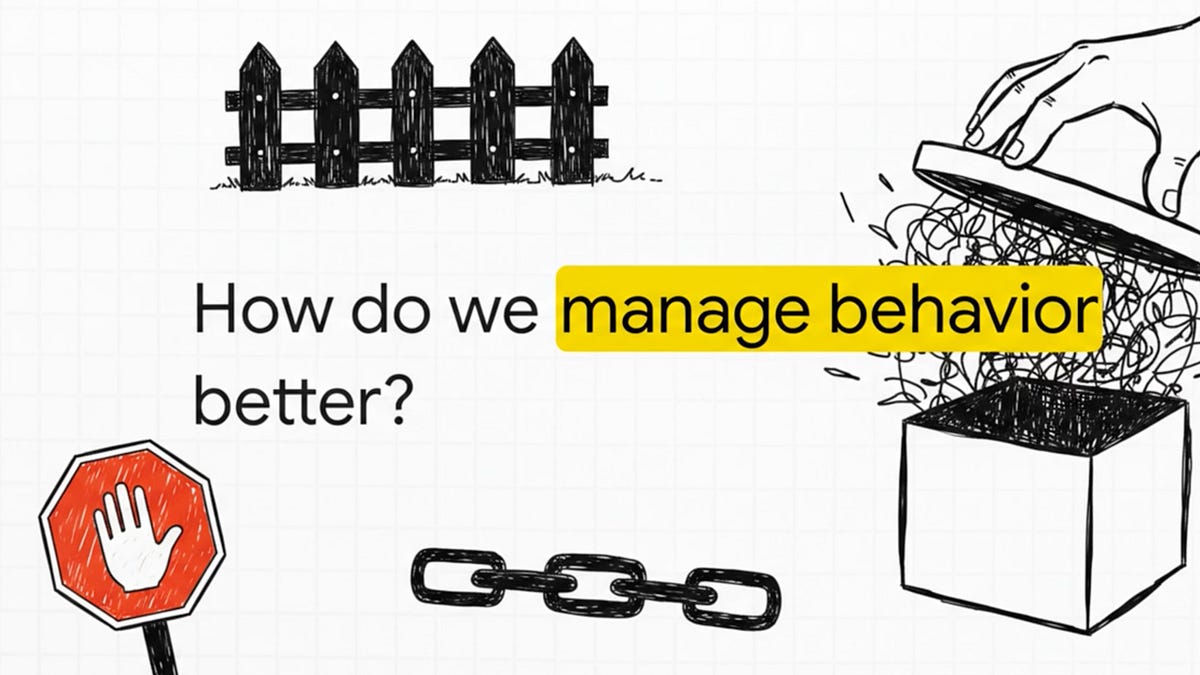
Read the Behaviour Intelligence blog
Resilience isn’t a soft skill - It’s a strategic advantage.
Psychosocial safety isn’t optional - it’s essential.
And workplaces that get this right aren’t just compliant - they become places where people want to be.

Practical psychology for safer systems, stronger people and more resilient workplaces


Quick Links
Find a Course
Resources