Regulated by Design 1.04
Discover more from Behaviour Intelligence
We have spent decades asking students, teachers, and leaders to regulate themselves inside systems that quietly undermine regulation at every turn. Regulated by Design offers a different starting point.
How Regulation Actually Works
If we want to design schools that reliably produce calm, connection, and capacity, we need to understand one thing clearly:
Regulation is not a mindset; it is a physiological state.
Thanks for reading Behaviour Intelligence! Subscribe for free to receive new posts and support my work.
Subscribe
This post offers a practical, non-technical account of how regulation works, not so we can turn teachers into neuroscientists, but so we can stop designing systems that fight human biology.
The Nervous System’s Primary Job
The human nervous system has one core task:
to keep us safe enough to function.
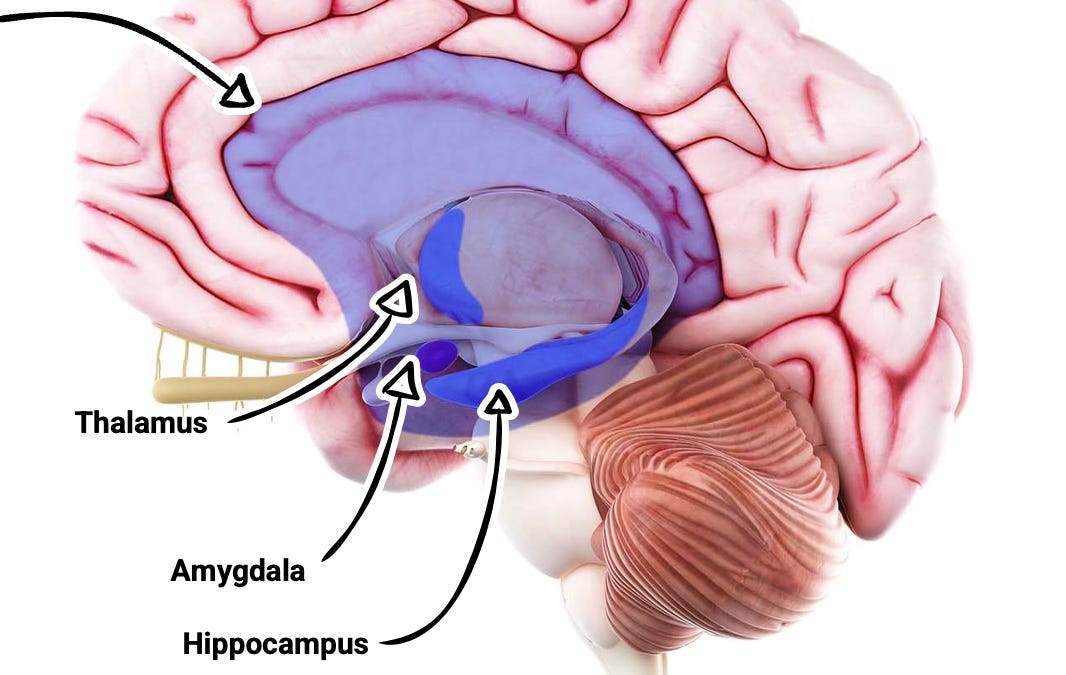
Before it supports learning, empathy, or reflection, it scans for threat and predictability.
It is asking questions constantly:
● Am I safe here?
● Do I know what’s expected?
● Can I predict what comes next?
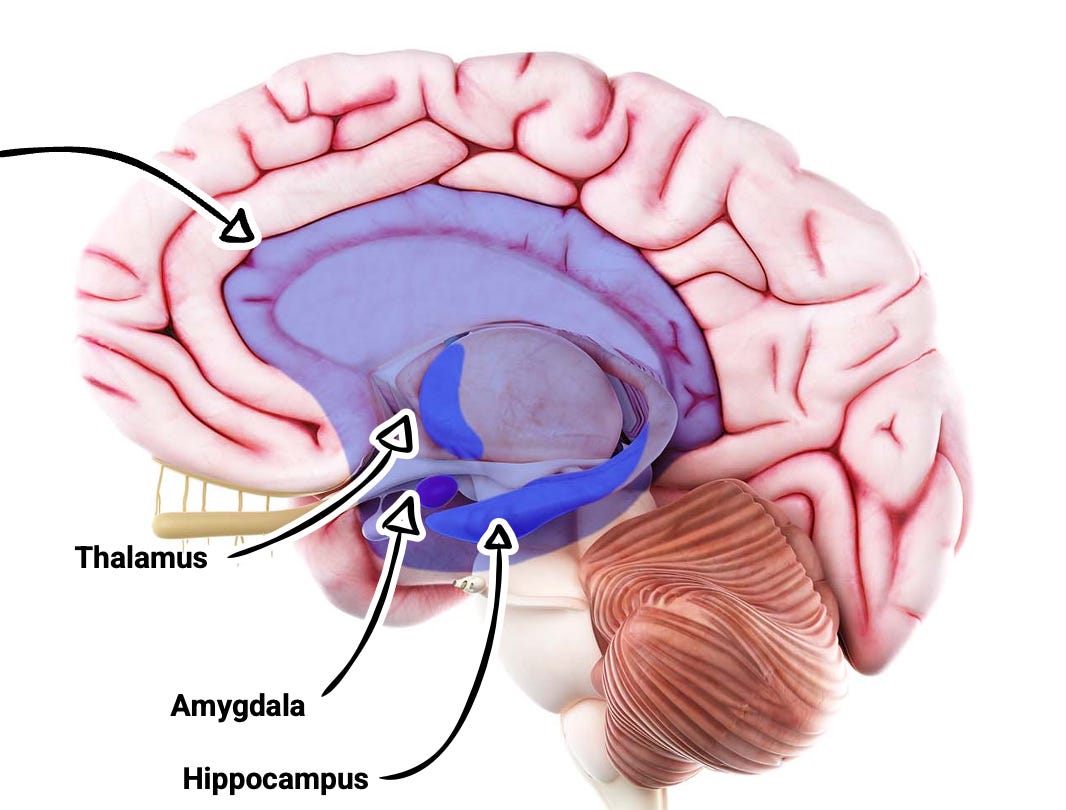
When the answer is yes, the system allows energy to flow toward thinking, learning, and connection. When the answer is no, energy is diverted elsewhere.
This process is automatic.
It does not wait for conscious reasoning.
It does not respond to explanations.
It responds to signals.
Safety Is Not Comfort
In schools, “safety” is often misunderstood.
Safety is not:
● softness
● absence of challenge
● lack of boundaries
Safety is predictability under pressure.
A classroom with clear routines, consistent expectations, and calm correction often feels safer than one that is warm but inconsistent.
The nervous system trusts patterns more than promises.
The Window Where Learning Lives
For thinking, learning, and social reasoning to occur, the nervous system must sit within a workable range of arousal.
When arousal rises too high:
● emotions spike
● impulsivity increases
● reasoning narrows
When arousal drops too low:
● motivation falls
● attention drifts
● engagement collapses
This middle range is where instruction lands, conversations work, and learning consolidates.
Schools do not need students and staff to be calm all the time.
They need systems that help people return to this range efficiently and repeatedly.
Why Stress Is Not the Enemy - Unmanaged Stress Is
Stress, in itself, is not harmful.
Challenge, urgency, effort, and stretch are part of learning and leadership.
The nervous system is designed to mobilise under demand.
What causes breakdown is stress without regulation.
When:
● stress is chronic
● recovery is absent
● demand accumulates
● ambiguity persists
The nervous system stays activated far longer than it is designed to.
This is when irritability, shutdown, cynicism, and burnout appear.
Not because people are weak - but because biology has limits.
Predictability: The Greatest Regulator We Ignore
Among all the factors that support regulation, predictability is the most consistently underestimated.
Predictability:
● reduces cognitive load
● lowers threat perception
● frees attentional capacity
Routines, sequences, rituals, and clear expectations act as anchors for the nervous system.
They answer the brain’s most urgent question:
What happens next?
When this question is answered, regulation stabilises. When it isn’t, arousal rises, even in otherwise capable people.
This is why transitions matter more than content, why unclear instructions dysregulate more than hard work, and why inconsistency erodes calm faster than strictness ever did.
Why Explanation Comes Too Late
One of the most common mistakes in dysregulated environments is talking more.
We explain.
We reason.
We negotiate.
But reasoning is a top-down process.
Regulation is bottom-up.
When the nervous system is activated, it has limited access to language, abstraction, or future-oriented thinking.
This is why:
● lectures during escalation fail
● logic rarely de-escalates
● consequences feel threatening rather than corrective
Design, not dialogue, is the first intervention.
Co-Regulation Is Real and Limited
Humans regulate through other humans.
Tone, posture, pacing, and presence all matter.
But co-regulation has limits.
When environments are consistently dysregulating, co-regulation becomes:
● effortful
● emotionally taxing
● unsustainable
Teachers cannot co-regulate thirty nervous systems indefinitely without structural support. Leaders cannot absorb endless uncertainty without leakage.
This is why systems that rely solely on relationships eventually exhaust the people holding them.
Design Beats Effort Every Time
The nervous system responds more reliably to the environment than to intention.
A calm tone in a chaotic system helps - briefly.
A predictable system reduces load continuously.
This is the pivot point of the book: Regulation scales through design, not effort.
When we build predictable routines, clear instructional sequences, stable expectations, and a manageable pace, regulation emerges quietly.
When we don’t, we ask people to work against their biology.
What This Means for Schools
If regulation is physiological and environmentally sensitive, then:
● Behaviour is shaped before it appears
● Escalation is often preventable
● Calm is designable
● Burnout is not inevitable
This shifts the work of schooling away from reacting to symptoms toward engineering conditions.
In the next post, we make that shift explicit: regulation is environmental before it is personal, and once schools accept that, behaviour stops being mysterious and becomes predictable.
Thanks for reading Behaviour Intelligence! Subscribe for free to receive new posts and support my work.


